

The unexpected ways wearables can improve your health
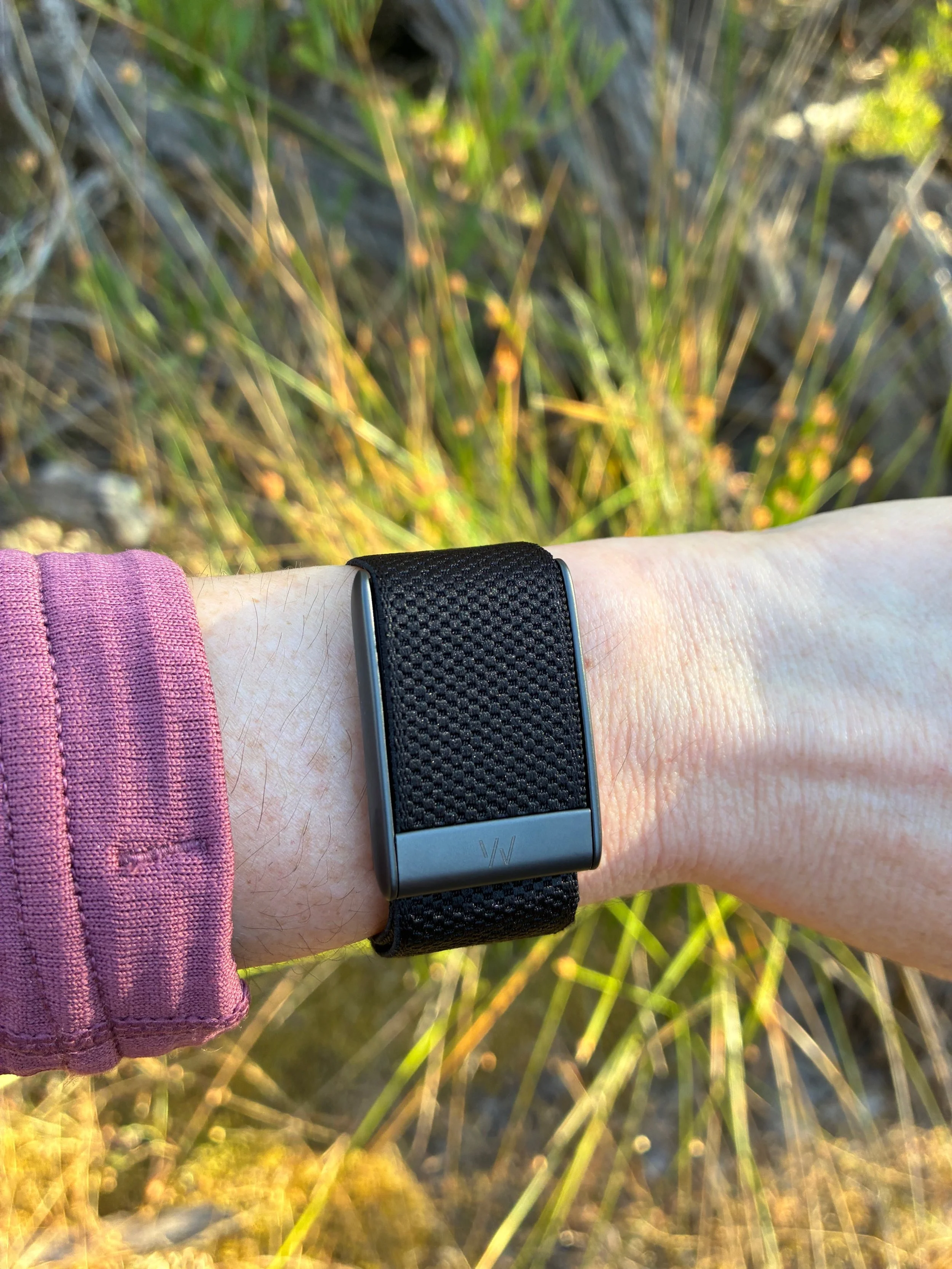
I'll admit it upfront: my science training has absolutely made me a bit of a data geek. So yes, I'm genuinely excited to be adding a wearable (hello Whoop) into my own health toolkit.
This post isn't really about the device itself. It's about what good data can do for us, especially for those who don't naturally identify as "numbers people."
Because when used well, wearables aren't about perfection, optimisation at all costs, or pushing harder. Quite the opposite.
Data as a support tool, not a pressure tool
For many people, wearables can be a valuable way to gently tweak health and fitness patterns over time. They can highlight things we might not notice otherwise: how stress affects sleep, how recovery changes across the week, or how our bodies respond to different types of movement.
One of the most underrated benefits? Wearables can help you recognise when you actually need to take a break.
As a coach, I see this all the time, particularly with women.
When the scales aren't shifting, or progress feels slow, the instinct is often to do more: more exercise, more restriction, more discipline. Yet many bodies are already under significant load from work pressure, caregiving responsibilities, mental load, poor sleep, or simply the relentless pace of life.
Adding more stress (harder training, ultra-restrictive dieting) to an already stressed system often backfires. Instead of supporting fat loss or fitness gains, it can deepen the stress cycle, stall progress, and increase fatigue.
Meeting your body where it is
What I've seen time and time again, both in the research and in practice, is that results improve when people learn to meet their bodies where they are.
That might mean:
· Choosing gentler movement on low-readiness days
· Training harder when the body is genuinely primed for it
· Prioritising recovery without guilt
· Letting consistency, not punishment, do the heavy lifting
Yes, under the right circumstances, less really can be more.
This is where wearables can be incredibly helpful. They provide a readiness snapshot based on physiological data, not just motivation, willpower, or habit. That data can guide how hard to go today, rather than defaulting to "push through."
Feelings vs facts (and why both matter)
Feelings matter. Always. And they aren't always accurate.
A great example for me has been sleep.
Over the past couple of years, I'd developed a story in my head that my sleep quality was poor. I'd wake feeling flat and assume I'd been awake for hours, barely reaching restorative sleep. That narrative alone would make me feel even more fatigued and worried.
The data told a different story:
· That feeling of being awake forever? About 15 minutes.
· The belief I wasn't hitting restorative sleep? Around 4 hours most nights.
Seeing this in real time helped me reframe the internal narrative I was running. Instead of starting the day discouraged, I could say: Actually, my body did what it needed to do. I'm ready for today.
That shift alone is powerful.
When data helps, and when it doesn't
Of course, data is only as helpful as the relationship we have with it.
Turn it into judgement, a pass/fail scorecard, and it can increase anxiety or feelings of failure. Some people may feel they slept brilliantly, only to see a low score and spiral into worry.
When data is viewed as information, not identity, and as a baseline rather than a verdict, it becomes empowering.
It becomes:
· A guide, not a rule book
· Feedback, not criticism
· A way to act with intention rather than guesswork
Building body trust (especially when it's been lost)
One of the most powerful, and least talked about, benefits of wearables is how they can help rebuild trust in your body.
This is particularly relevant during or after periods of illness, injury, burnout, or prolonged stress. When your body hasn't felt reliable for a long time, it's common to slip into a sense of helplessness and the quiet belief that "no matter what I do, nothing shifts the needle."
I've been there myself. Feeling chronically unwell can slowly erode confidence in your body and replace it with frustration, vigilance, and self-doubt. Progress feels invisible, effort feels unrewarded, and over time your body can start to feel like something you're battling rather than partnering with.
When used gently, wearable data can help interrupt that story.
Not by demanding more. By revealing what is happening beneath the surface:
· Subtle improvements in recovery
· More restorative sleep than you realised
· Greater resilience to stress across the week
· Days where your capacity is higher than your mindset expects
These signals don't invalidate how hard things feel. They simply offer evidence that adaptation is occurring, even if it's slow.
Over time, this can restore a sense of agency. Not control in a rigid or perfectionistic sense. A compassionate one: I can respond to and collaborate with my body, not fight it.
That shift is often pivotal in rebuilding confidence, consistency, and momentum.
Encouraging long-term thinking (instead of daily judgement)
Another underestimated benefit of wearables is how they gently move us away from daily self-judgement and toward a longer-term view of health.
It's easy to assess ourselves day by day (one poor night's sleep, one low energy workout, one stressful week) and conclude that things are going backwards.
Wearables widen the lens.
Instead of asking, "Was today good or bad?" the question becomes:
· What's the pattern over the past few weeks?
· How does stress accumulate, and resolve, over time?
· How does my body respond across different seasons of life?
This perspective matters because health, fitness, and fat loss are not linear processes. Plateaus often coexist with adaptation, and slower phases are frequently laying important groundwork.
For many people, this longer-term framing reduces emotional reactivity. A low score becomes context, not catastrophe. One hard week no longer erases months of consistency.
Over time, this supports steadier habits, kinder self-talk, and decisions that prioritise sustainability over intensity. And that's where meaningful change actually happens.
If you use a wearable, or are thinking about it, consider this reflection:
Where might your body be asking for support rather than pressure? What patterns would you notice if you zoomed out a little further?
Data doesn't have to drive your behaviour. It can simply help you listen more clearly.
Wearables aren't magic.
They don't replace intuition, lived experience, or self-awareness.
When used with curiosity rather than control, they can become a powerful ally. They can help us train smarter, recover better, and stop fighting bodies that are simply asking for support.
Sometimes the most productive thing you can do for your health… is ease off.
And having the data to support that decision? Surprisingly liberating.